Roof Leak Detection & Repair Cape Coral & Southwest Florida | Sage Roofing Windows & Doors
Leak Detection & Repair — Cape Coral, FL

Roof Leaking? We Find It. We Fix It.

Roof leaks are deceptive — water enters in one place and travels far before showing up as a stain on your ceiling. Sage Roofing's leak detection specialists trace every leak back to its true source, repair it correctly, and back the work with a written warranty. Serving Cape Coral, Fort Myers, and all of Southwest Florida.

FL Lic. #CCC1337188
5.0★ Google Rating
Written Repair Warranty
Same-Day Inspections
Don't Ignore These

Warning Signs You Have a Roof Leak Right Now

Many roof leaks go undetected for months — quietly rotting your decking, saturating insulation, and growing mold before any visible sign appears inside your home. Know what to look for.

Water Stains on Ceilings or Walls

Brown, yellow, or gray rings or streaks on your ceiling or upper walls are the most obvious sign. But the visible stain is almost never directly below the actual entry point — water travels along rafters and decking before dripping. Don't assume the source is directly above.

Mold Smell or Visible Mold Growth

A musty odor in your attic or upper rooms — even without visible staining — is a red flag. Mold grows on wet structural materials long before it becomes visible. If your attic smells damp after rain, you likely have an active or recent infiltration point.

Sagging or Bubbling Ceiling

A ceiling that sags, bubbles, or feels soft to the touch indicates saturated drywall from above. This is an active leak situation — the water is pooling and the ceiling can collapse under the weight. This requires immediate attention.

Daylight Through Attic Boards

If you can see pinpoints of natural light through your attic roof boards, water can get in through those same gaps. This is particularly common around flashing, ridge caps, and old nail holes. Inspect your attic on a sunny day with the lights off.

Wet or Stained Attic Insulation

Wet, compacted, or discolored attic insulation is direct evidence of water intrusion — even if nothing has reached the ceiling below yet. By the time insulation is saturated, the decking and structural members above it have likely been wet for weeks.

Leaks Only During Certain Rain Conditions

A leak that only appears during wind-driven rain from a specific direction, or only after prolonged rain, or only in heavy downpours — this is a major diagnostic clue. Intermittent leaks are notoriously difficult to trace and are a specialty of our detection team.

The Leak Detection Challenge

Why Most Leaks Get Misdiagnosed

The stain on your ceiling and the source of the leak are almost never in the same place. Water travels along roof components — sometimes 10 to 20 feet — before it drips. Getting the diagnosis wrong means the repair fails, the leak continues, and the damage compounds.

Why Roof Leaks Are Notoriously Hard to Trace

Water is unpredictable. It follows the path of least resistance — across felt paper, along rafters, down wall cavities — before emerging somewhere unrelated to the actual breach. Here's why even experienced contractors frequently misdiagnose leaks:

Entry Point vs. Drip Point Are Rarely the Same
Water enters through a breach in the roof surface, then travels horizontally along the underside of decking or along rafters — sometimes 10–20 feet — before dripping. Patching directly below the ceiling stain is almost always the wrong repair.
Multiple Entry Points Can Share One Visible Symptom
Two or three small breaches — maybe 10 feet apart — can merge their water flow and appear as a single stain. Fixing one without finding all of them guarantees the leak continues. We do not stop until every entry point is found.
Intermittent Leaks Only Appear in Specific Conditions
Some leaks only occur during wind-driven rain from a certain direction, or after prolonged saturation, or under specific temperature differentials. These cannot be diagnosed without understanding roofing systems — not just looking for the obvious.
Hidden Flashing Failures Are the Most Common Misdiagnosis
Compromised flashing around chimneys, skylights, HVAC penetrations, and wall-to-roof intersections is responsible for the majority of residential roof leaks in Florida — but it's often invisible without a detailed hands-on inspection of every penetration point.

How We Find Your Leak

Our multi-step detection approach — used on every job

Interior Damage Mapping
We start inside — documenting every stain, wet spot, and discoloration on ceilings and walls to map the water's travel path backward to its origin. Interior patterns tell us where to look on the roof.
Full Roof Surface Inspection
Systematic top-to-bottom inspection of all field material, ridge caps, valleys, eaves, and penetrations — not just the area above the visible stain. We look at everything.
Flashing & Penetration Audit
Every flashing point is physically inspected and probed — chimneys, skylights, vents, pipes, HVAC units, and wall intersections. Florida's UV degrades sealants and flashing materials faster than anywhere in the country.
Attic Inspection & Trace Analysis
We inspect the attic with attention to water staining on rafters and decking, which often reveals the true travel path of the water — allowing us to trace back upstream to the actual breach point.
Controlled Water Test (When Needed)
For elusive intermittent leaks, we perform a controlled water test — systematically isolating roof zones with water to pinpoint the exact entry point. This definitively locates leaks that don't appear in dry conditions.
Where Leaks Come From

The Most Common Roof Leak Sources in Southwest Florida

Florida's intense UV, humidity, and storm seasons attack specific vulnerable points on every roofing system. These are the areas we inspect first — and where we find most leaks.

! STEP FLASHING GAP
Flashing Failures

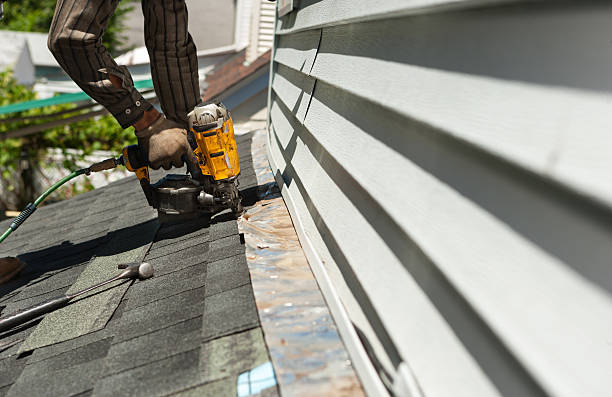
The #1 source of residential roof leaks in Florida. Flashing around chimneys, skylights, vent pipes, HVAC penetrations, and wall-to-roof intersections is constantly stressed by thermal expansion, UV degradation, and hurricane winds. Sealant hardens and cracks. Metal separates. Water finds every gap.

Leak near chimney, skylight, or vent
Water stains on wall directly below penetration
Visible cracks in flashing sealant
! LIFTED RIDGE CAP
Ridge Cap & Hip Failure

Ridge caps and hip tiles take the brunt of Florida's wind and thermal cycling. The mortar and bedding that holds them in place degrades over time — particularly on tile roofs. Loose or lifted ridge caps in even moderate winds become significant entry points during the next rain event.

Leak appears near the peak of the roof
Visible cracked or loose ridge tiles
Mortar pieces in gutters after storms
VALLEY OVERFLOW
Valley & Eave Issues

Roof valleys channel enormous volumes of water during Florida's heavy rain events. Open metal valleys corrode; closed shingle valleys crack and delaminate. Eave drip edge failures allow water to wick back under roofing material. Both are common in Southwest Florida's climate.

Leak appears in corners or where two roof slopes meet
Staining along exterior walls below eaves
Rust streaks on fascia board
MISSING & CRACKED SHINGLES
Field Material Damage

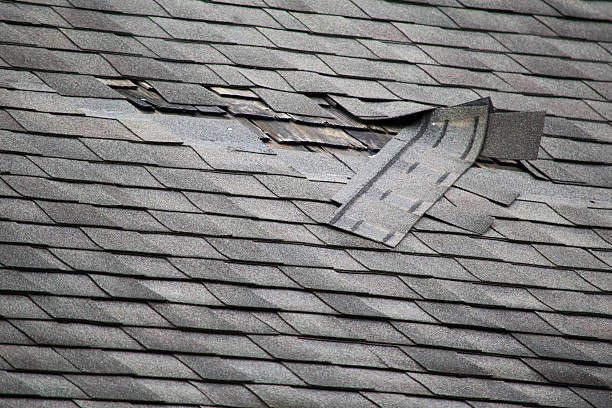
Cracked tiles, blown-off shingles, lifted metal panels, and hail-damaged material create direct exposure of the underlayment and decking below. Once the primary roofing material is compromised, the clock starts on water intrusion — especially during Florida's daily summer storms.

Visible missing, cracked, or lifted material
Leak appears anywhere on ceiling after storm
Debris (shingles, tiles) in yard after wind events
CRACKED PIPE BOOT
Vent Pipe & Skylight Boots

Rubber pipe boots around plumbing vents crack and harden in Florida's UV exposure — often within 10–15 years. Skylight frames leak at their perimeter seals, and HVAC curb flashings separate over time. These penetration points are among the fastest-deteriorating components on any Florida roof.

Leak directly below a vent pipe or skylight
Light staining around interior skylight frame
Visible cracked rubber collar on pipe boot
TILES / SHINGLES UNDERLAYMENT — FAILED ROOF DECK ! ⚠ UNDERLAYMENT AGE: 20-25 YRS MAX IN FL CLIMATE UNDERLAYMENT DEGRADATION
Underlayment Failure

Even when the surface tiles or shingles look intact, the underlayment beneath them degrades over time — particularly in Florida's UV and heat. Tile underlayment typically lasts 20–25 years regardless of tile condition. Failed underlayment creates widespread moisture infiltration with no obvious surface cause.

Multiple leaks with no obvious surface damage
Widespread attic moisture on older roofs
Roof is 20+ years old (tile) or 15+ years (shingle)
Our Work

Leak Detection & Repairs Across Southwest Florida

Real leak detections and repairs completed across Cape Coral, Fort Myers, Naples, and surrounding communities — on shingle, tile, and metal roofs.

Roof leak repair completed Cape Coral Florida
Flashing Repair — Cape Coral
Roof leak detection Fort Myers Florida
Leak Source Located
Roof leak repair Southwest Florida
Completed Repair — Naples
Our Approach

How We Detect & Repair Every Roof Leak

Our process is designed around one goal — finding the true source, repairing it correctly, and making sure it doesn't come back.

Interior Assessment

We start indoors — mapping every stain, wet spot, and discoloration to establish the water's travel path before ever getting on the roof.

Roof & Attic Inspection

Full top-down roof inspection plus attic trace analysis — following water staining on rafters and decking backward upstream to the true entry point.

Source Confirmed

We don't guess. We confirm the source with confidence before recommending a repair. If needed, a controlled water test isolates the exact breach point definitively.

Written Repair Estimate

You receive a clear, itemized written estimate — exactly what needs to be repaired, what materials will be used, and what the repair costs. No vague quotes, no surprises.

Repair & Warranty

Repair completed correctly with proper materials and methods. Written workmanship warranty provided. If the leak recurs from the same source, we come back and fix it — period.

Why Sage Roofing

We Find the Leak Others Miss

The most common complaint we hear from new customers is that a previous contractor "fixed" their leak — and it came back. That happens when the repair is done without properly locating the source. We don't patch symptoms. We trace every leak to its origin, repair the actual cause, and back it with a written warranty.

FL Licensed & Fully Insured
License #CCC1337188. Full liability and workers' compensation on every leak repair. Never let an unlicensed contractor do roof work — improper repairs often make leaks worse.
We Find the True Source — Every Time
Our detection methodology systematically eliminates possible sources until we've confirmed the actual breach point. We do not perform repairs without certainty about the cause.
All Roof Systems — Shingle, Metal & Tile
Leak patterns, entry points, and repair techniques differ significantly between shingle, metal, and tile systems. Our team is proficient in all three — and knows exactly where each system is vulnerable in Florida's climate.
Transparent, Written Estimates
Every leak repair estimate is written and itemized — what was found, what needs to be repaired, what materials will be used, and the complete cost. No verbal quotes, no hidden charges after the fact.
5.0 Star Google Rating
Our leak repair customers are among our most satisfied — because nothing feels better than having a leak that stumped two previous contractors finally fixed for good. Read our reviews.

Our Leak Repair Guarantee

What's included on every Sage leak repair:

Source Confirmed Before Repair
We never perform a repair without confirming the source. If we can't locate it with certainty on the first visit, we'll schedule a water test to find it definitively.
Written Workmanship Warranty
Every repair includes a written workmanship warranty. If the leak recurs from the same source we repaired, we return and fix it at no charge — no arguments, no runaround.
Itemized Written Estimate
Before any work begins, you receive a written estimate detailing exactly what was found, what will be repaired, and the complete cost. You decide — no pressure, no surprises.
Honest Assessment — Repair or Replace
If your roof is beyond the point where repair makes financial sense, we'll tell you clearly and honestly — rather than performing a repair that won't solve the underlying problem. You deserve a straight answer.
Complete Photo Documentation
Before and after photos of every repair, with the source location clearly documented — useful for insurance records and proof of maintenance history for future resale.
FAQs

Roof Leak Questions Answered

Common questions from Southwest Florida homeowners dealing with a roof leak.

Roof leak repair costs in Cape Coral range widely depending on the source and scope. Minor flashing repairs or sealant replacement can run $200–$600. More involved repairs — replacing flashing, re-bedding ridge caps, or repairing valley systems — typically run $500–$2,500. We provide free written estimates before any work begins so you know exactly what you're paying for before committing.
The most common reason is that the previous repair addressed a symptom rather than the actual source. Water travels from the entry point to the drip point — sometimes 10–20 feet. If the repair was made below the visible stain without tracing back to where the water actually entered, the leak will always return. We start with a systematic detection process that confirms the true source before any repair is made.
Yes — urgently. A dried stain means the leak occurred and stopped, but the underlying cause remains. In Florida's climate, any moisture that reached your insulation or decking is likely still wet or already growing mold. Intermittent leaks that appear to "stop" after rain ends are still active — they only drip during the right rain conditions. By the time a stain dries and you think the problem has resolved itself, structural damage may already be in progress.
Yes. Through interior damage mapping, attic trace analysis, and detailed roof inspection, we can locate most leak sources without waiting for active rain. Water leaves a trail — staining on rafters, discoloration on underlayment, dried mineral deposits on decking — that tells the story of where it entered. For elusive leaks that defy normal detection, we perform a controlled water test that simulates rain conditions to isolate the entry point with certainty.
It depends on the age and overall condition of your roof. If your roof is under 15 years old and the damage is localized, targeted repair is almost always the right call. If your roof is approaching the end of its service life — 20+ years for shingles, 25+ years for tile underlayment — and leaks are appearing in multiple locations, continuing to repair is often money spent delaying the inevitable. We'll give you an honest assessment at your free inspection: repair if it makes sense, replace if it doesn't.
It depends on the cause. Leaks resulting from sudden storm events — wind damage, hail impact, falling debris — are typically covered under standard Florida homeowner's insurance. Leaks caused by gradual wear, aging materials, lack of maintenance, or pre-existing conditions are generally not covered. We provide complete documentation of leak source and cause — which helps when filing a claim and ensures your adjuster has everything needed to assess coverage accurately.
Where We Repair

Roof Leak Detection & Repair Across Southwest Florida

We detect and repair roof leaks throughout Lee and Collier County — shingle, metal, and tile.

Stop the Leak For Good

Free Inspection. Source Found. Leak Fixed.

If you have a leak — or think you might — call Sage Roofing for a free inspection. We'll find the source, give you a written estimate, and fix it with a warranty. No guessing, no repeat visits for the same leak.

FL License #CCC1337188 · Serving Lee & Collier County · Written Warranty on Every Repair · Shingle, Metal & Tile